
Otis has been making elevators for more than 100 years, and many buildings around the world use Otis elevators. But over time, many of these elevators have become old. They break down more often, use outdated technology, and need modernization. Otis does offer its own upgrade packages, but these are often very expensive. In many cases, we suggest other modernization solutions that are more flexible and cost-effective. In this article, we will share some practical Otis modernization options and real project examples.
Otis Elevator Modernization Options
Full Replacement
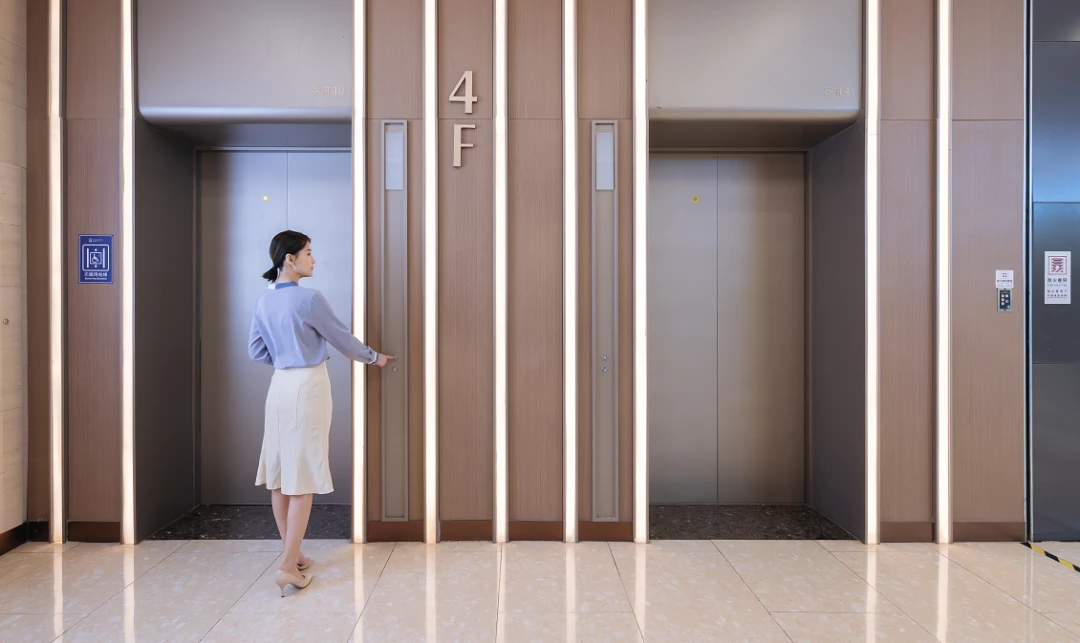
The most direct way to modernize an Otis elevator is to remove the old elevator completely and install a new system. This gives you a 100% technical upgrade.
The new system follows the latest safety rules, such as protection against car movement when doors are open and door bypass safety functions. It also uses energy much more efficiently, cutting energy use by about 40%–60%. At the same time, the total maintenance cost over the life of the elevator can drop by about 30%.
For example, in a commercial building in Oman that started using its Otis elevator in 1998, a full modernization cut the average failure rate from 3.2 breakdowns per month to 0.1 breakdowns per month.
Key Component Upgrades
Control System Upgrade
Instead of replacing the whole elevator, we can upgrade only the electrical parts, such as the control cabinet and operating panel. The good thing about this plan is that it can be done in a short time. The typical cost is about $11,000 to $17,000 per elevator, and the elevator is usually out of service for only 3 to 5 days. This is a good choice for elevators built after 2005 where the mechanical parts are still in good condition.
This upgrade brings the control system up to modern standards and helps the elevator run more smoothly and reliably over the long term. However, it also has some limits. It cannot fix oil leakage problems in worm-gear machines, and because of the special design of the braking system, upgrading a single-coil brake can be very difficult. So even though this option is cheaper and faster, it is not suitable for elevators that need to solve these specific mechanical problems.
Traction System Upgrade
Another option is to install a new permanent magnet synchronous motor (PMSM) for the traction system, while keeping the existing shaft structure.
With this upgrade, the elevator becomes much more energy efficient. Energy use can drop by about 35%–50%, and running noise can fall from around 65 dB to below 55 dB, giving passengers a much quieter ride.
The cost is about $21,000 to $28,000 per elevator. To make sure the upgrade works safely and smoothly, we run dynamic traction simulations (FEA analysis) and check that the guide rail vertical deviation is within 0.5 mm per meter. This solution is a good fit for buildings that want better performance, lower energy use, and less noise from their existing Otis elevators.
Counterweight Retention Solution
In many old Otis elevators, the counterweight blocks are made of metal and still have high reuse value. We can keep these blocks and focus on upgrading the counterweight frame and the traction method instead of throwing everything away.
The challenge is that most new elevators with permanent magnet motors use a 2:1 traction ratio, while many old Otis elevators are 1:1. On 1:1 systems, the counterweight frame usually has rope terminations and a rope fixing plate about 15 mm thick.
Our method is to keep the original metal counterweight blocks, remove the old rope terminations, and then use a custom (non-standard) design to add return sheaves to the old counterweight frame. This changes the traction ratio from 1:1 to 2:1. During this process, we use professional software to check the strength and stress of the frame. Only after we confirm the frame is safe and strong enough do we complete the modernization. In this way, we avoid wasting good metal counterweights and still make the system compatible with the new permanent magnet machine.
Guide Rail Retention and System Replacement
Another option is to keep the existing guide rails and brackets, and replace the other main parts, such as the car, door operator, and control system. In simple words, we keep the “bones” and rebuild a new elevator system on top of them.
The key benefit is that we reduce building work and metal waste as much as possible, while still meeting safety and technical needs. Compared with full replacement, this plan can usually save about 25%–30% of the cost. The construction period is also shorter, usually 15–20 days, which means less impact on passengers. Because the guide rails and brackets are reused, construction waste can drop by about 60%, which is very helpful for old building upgrades and commercial building renovations.
Of course, quality control is very important for this plan. Before reuse, the guide rails and brackets must pass a detailed stress check. The safety factor should reach at least 1.5 times the local standard requirement, so they are still strong and stiff enough under the new working conditions.
How to Choose the Best Modernization Plan for Your Otis Elevator
1. Safety Check First
Before talking about which plan to choose, the elevator should first have a full “health check.” A qualified third-party testing company should do a detailed assessment of key parts:
-
Measure the traction sheave groove and how it works with the ropes to see how much the mechanical system has worn.
-
Check contactors, relays, and other electrical parts for oxidation and burning marks to judge how old the control system is.
-
Inspect the guide rails, brackets, and other structural parts for corrosion and connection problems to see how much safety margin is left.
Only when we know these basic facts can we decide which parts can stay and which parts must be replaced. This is the foundation for choosing the right technical route.
2. Look at Total Cost Over 10 Years
Next, we should not only ask “How much does this upgrade cost now?” but also “How much will it cost over the next 10 years?” We build a Total Cost of Ownership (TCO) model and put all related costs on the same page, including:
-
Initial modernization cost
-
Estimated maintenance and spare parts cost over 10 years
-
Energy cost, based on about $0.11 per kWh
-
Loss from elevator downtime, for example about $70 per hour for commercial buildings
When we compare these numbers, we can clearly see which plan is “cheap now but costly later,” and which one has “higher first cost but saves money and trouble over time.”
3. Multi-Goal Decision Matrix
Finally, we use a multi-goal decision matrix so we don’t focus on only one factor, like price or speed. We score each plan in five areas:
-
Safety (30%)
-
Cost (25%)
-
Construction time (20%)
-
Environmental impact (15%)
-
Appearance and design needs (10%)
We then use a method called AHP (Analytic Hierarchy Process) to compare and rank the plans step by step. This helps building owners see clearly: under their chosen priorities, which option is really the best overall, and which option is only a compromise, instead of making a decision based only on “gut feeling.”
Otis Renovation Case Sharing
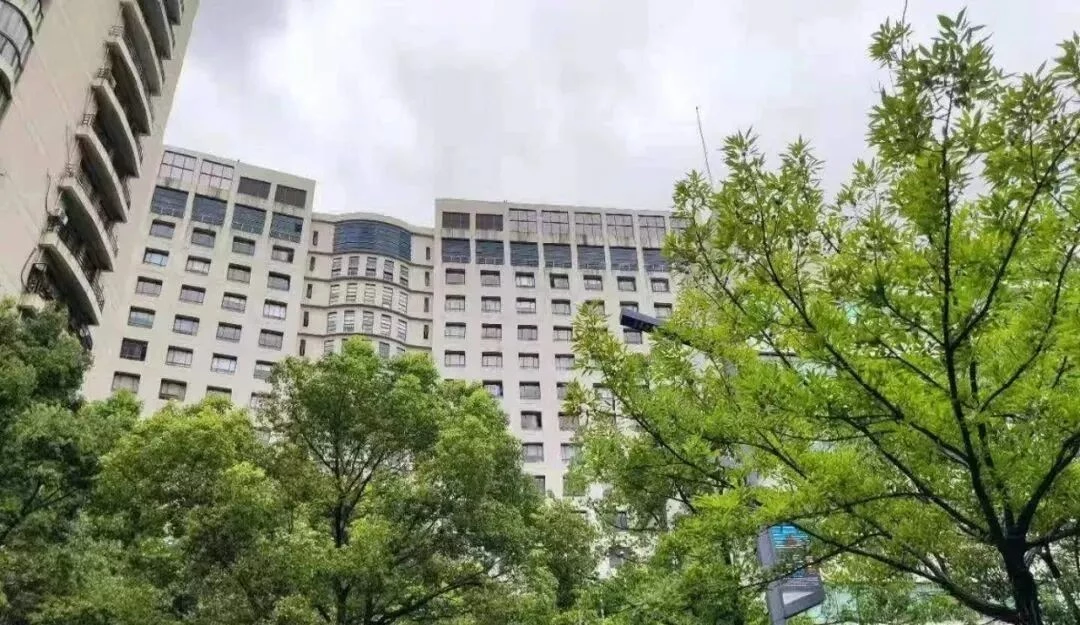
Let’s look at a real project in a housing estate in Singapore, built in 1999. The local maintenance team contacted BDFUJI and asked us to provide a cost-effective elevator modernization plan. We learned that the estate had 6 AC double-speed elevators, with about 120 breakdowns a year. Residents complained a lot, and the property manager was under pressure because of frequent repairs and long downtime.
Following the decision model we described earlier, we first did a full safety check on the elevators. The results showed that about 85% of the guide rails were still in good condition. The metal structures had only slight rust and no serious bending or damage, so they could be safely reused. Because of this, we did not choose to remove everything and start from zero. Instead, we kept the guide rails and focused on updating the other main systems.
Based on this plan, we upgraded the traction machines, control systems, door operators, and landing equipment, and we optimized everything using a full life-cycle cost model. After the modernization, the project saved about USD 53,000 compared with a full replacement option. More importantly, elevator breakdowns dropped by about 92%. The elevators went from “often out of order” to “only needing occasional repair.” Downtime became much shorter, the property team’s maintenance work became easier, and residents were much happier. Besides designing the solution, BDFUJI also supplied the key equipment for this project, including the new traction machines, control cabinets, and door operators.
Conclusion
These days, elevator modernization is often made to look easy and exciting. But as an experienced elevator modernization company, we can tell you: in real life, it is more time-consuming and complicated than most people think. Modernizing your elevator is definitely worth it, but if you don’t have the right experience or preparation, you may run into many problems.
At BDFUJI, our goal is not to sell you “the biggest package,” but to help you reduce risk, control costs, and keep your elevators safe and reliable. If you are planning a modernization project for your Otis elevator and want a practical, realistic plan, you are very welcome to contact us anytime.