
Most people only think about elevators when they break down or when someone complains. Almost no one knows exactly how much electricity an elevator uses, or how much of that money is wasted for no reason.
In fact, many elevators use energy all day, even when they are not moving.
The good news is: you don’t need to replace the whole elevator. With some simple upgrades, you can turn an old elevator into an energy-saving elevator.
This guide will show you the common ways to reduce elevator energy use and the basic steps of modernization, so your elevators can run with lower energy consumption.
Why elevator energy consumption matters

On your energy bill, elevator costs are rarely listed as a separate line, so they are easy to ignore. But in most office buildings, malls, hotels and residential towers, elevators are almost running 24 hours a day.
If you manage a building, elevator energy use is important for several reasons.
Electricity cost:
Even a small elevator running 24/7 can cost a lot of money over one year. If you multiply that by several elevators and several buildings, the total cost becomes very big.
Comfort and image:
Modern, quiet and energy-efficient elevators feel better to ride. They also tell people that the building is up to date and well managed.
ESG and green building goals:
Elevators are a visible part of your sustainability story. Saying “we modernized our elevators with energy-saving drives and low-standby control” sounds much better than “they just run as usual”.
You don’t need to be a technical expert. But knowing the basics of elevator energy helps you talk with your service provider more confidently and make smarter investment decisions.
How elevators use energy
Imagine a simple traction elevator. It has a car, a counterweight and ropes wrapped around a traction sheave driven by a motor. When the car goes up, the counterweight goes down; when the car goes down, the counterweight goes up.
The counterweight is there to help the motor. When the car and the counterweight are close to balance, the motor does less work. When the difference between them is big, the motor has to work much harder.
From an energy point of view:
-
A very heavy car going up, or a very light car going down, uses the most energy.
-
A light car going up, or a full car going down, can actually produce energy, because gravity is helping.
In many old elevators, this “extra” energy is not used at all. It is turned into heat in large resistors inside the control cabinet. If you have ever seen a glowing resistor in the machine room, you have seen your electricity bill turning into hot air.
There is also standby energy, which surprises most people. Even when no one is using the elevator, it is still running things like:
-
the control system
-
the car lights and landing indicators
-
the car fan quietly spinning
-
communication and safety systems in the background
Large studies in different markets show that, for many elevators, more than half of the yearly energy use comes from standby.
So energy waste has two sides:
one part is energy lost as heat while the elevator is running,
and the other part is energy quietly used while the elevator is just waiting.
Any serious plan to reduce elevator energy must look at both.
How to test elevator energy use
For traction elevators, a common test is the empty-car round trip.
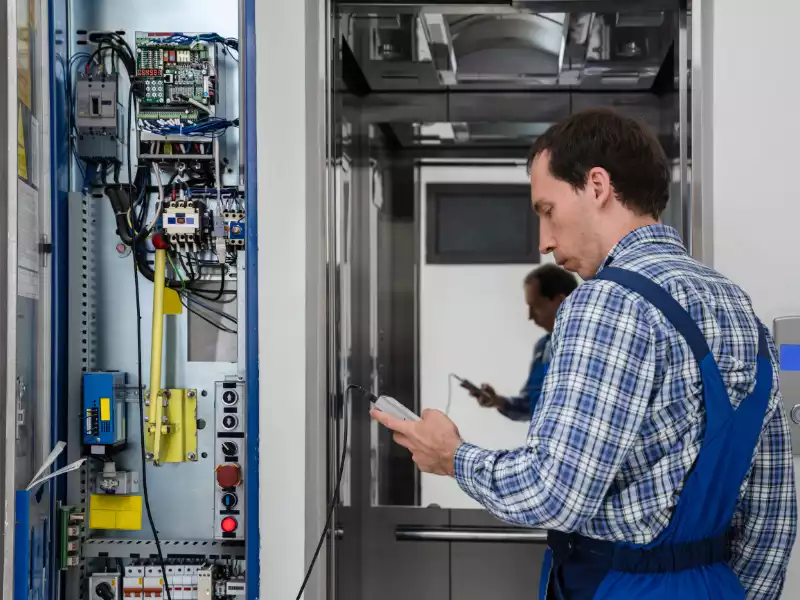
You connect a power meter to the main power supply of the elevator control cabinet. Then you run the elevator from the lowest floor to the highest floor and back to the lowest floor, with an empty car and no external calls during the test. You repeat this cycle several times, and the meter records the total energy use.
Because you know the travel height of the elevator, this test tells you clearly how many kilowatt-hours (kWh) are needed for one full empty round trip. If you do the same test after modernization, you can see right away how much energy you save under the same conditions. If you test several elevators in the same building, you can find out which ones are the “energy-hungry” ones.
In more detailed studies, elevator engineers also record instant power, current and acceleration to check ride comfort and mechanical stress. But you do not need to start there. Simply comparing the kWh number before and after a change is already enough to see whether a new drive, a new control method or new settings are moving you in the right direction.
Solutions to reduce elevator energy consumption
Once you have a basic idea of how much energy your elevators use, the next question is simple: how can you reduce it? Most buildings do not need to replace the whole elevator. By upgrading a few key parts, you can save most of the energy.
Use permanent magnet synchronous drive technology
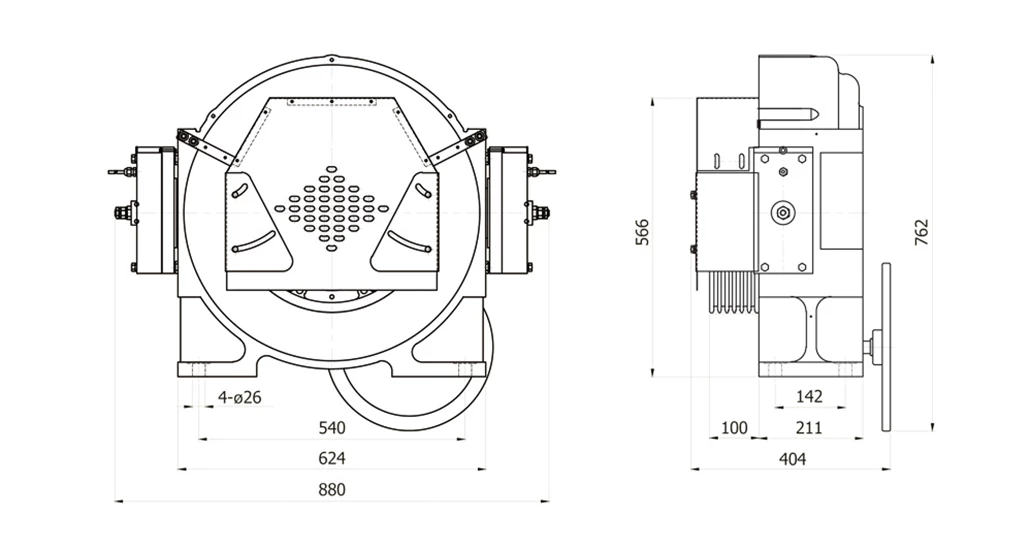
Old geared induction motors are like old petrol engines: powerful, but very hungry. Some of the electric energy is lost as heat inside the motor, and some is lost in the gearbox. You pay for both.
A permanent magnet synchronous motor (PMSM) with a modern variable-frequency drive is more like a new, efficient engine. It can create the same lifting power with less “fuel”. The motor itself wastes less energy. When you remove the gearbox and drive the traction sheave directly, you also stop losing power in the gears.
With the same number of trips per day, the elevator now draws less energy from the grid. The shaft and machine room become quieter, the ride is smoother, and the equipment runs at a lower temperature.
Upgrade door operator, lighting and ventilation
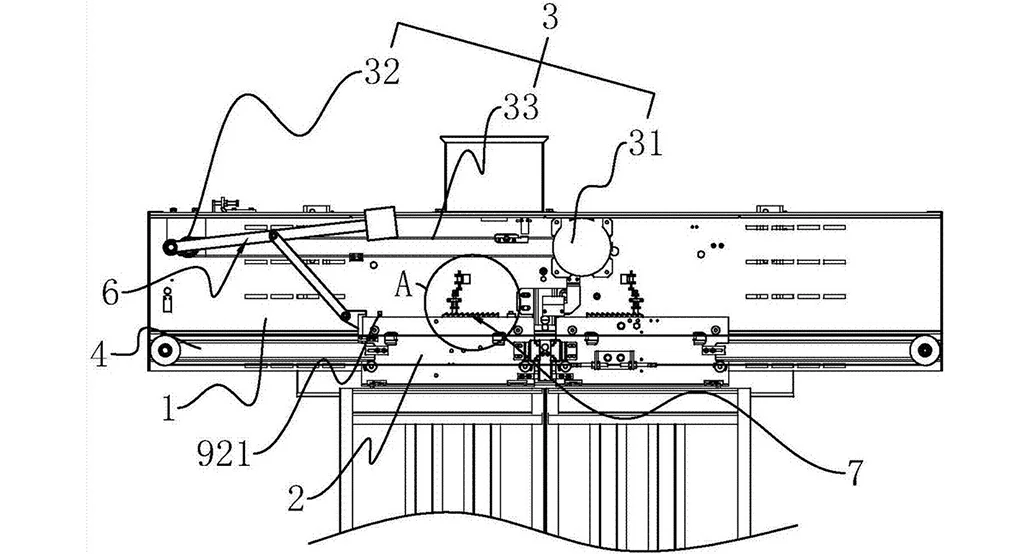
Besides the main drive, some small parts also quietly use a lot of energy over time. The door operator, car lights and ventilation fan are typical examples.
An old door operator often uses more power than needed and wears out faster. A modern door operator can open and close the doors smoothly and uses less power for each cycle. In a busy building, the doors may open and close thousands of times a day. Saving a little energy each time can add up to a big saving over a month.
You can also replace fluorescent tubes or halogen spotlights in the elevator car with LED lights. The brightness is the same, but the power use is much lower. If the car lights dim or turn off automatically after the elevator has been idle for a while, you no longer pay for lighting an empty car all night.
The car fan is small, but if it runs 24 hours a day, it becomes a constant energy leak. Replacing it with a high-efficiency fan that only runs when the elevator is in use is an easy way to close this leak. Passengers still get fresh air, but the building uses much less electricity.
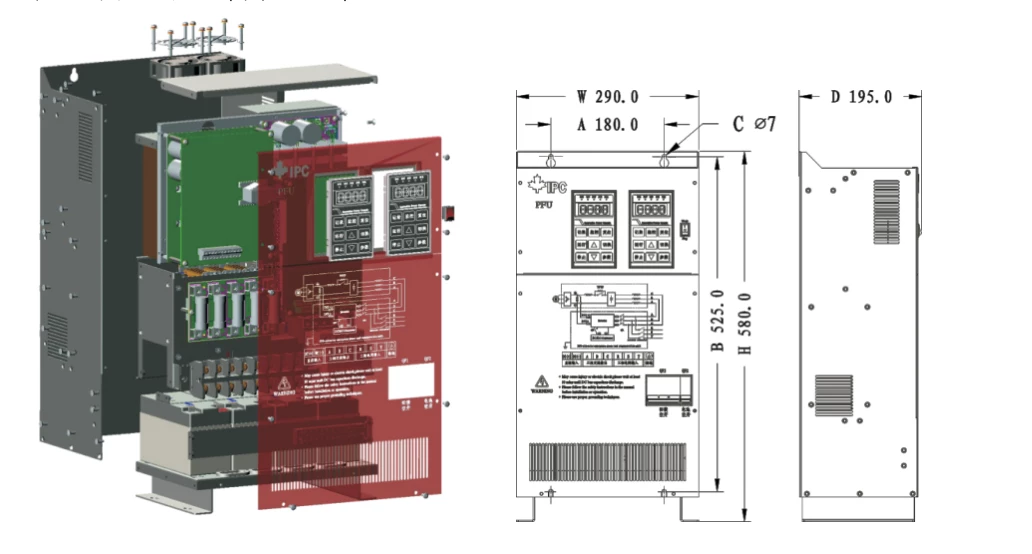
Recover braking energy with regenerative drives
A traditional elevator going downhill is like a car that only has a brake pedal. Every time the car helps the motor—for example when a full car goes down or an empty car goes up—the system produces energy. In old systems, this energy is burned in a resistor and turned into heat.
A regenerative drive system is more like a hybrid car. When the elevator is in a “braking” or generating phase, the drive does not waste the energy. It turns it into clean AC power and sends it back to the building’s electrical system. Lights, sockets and air-conditioning can use this power, so the building takes less electricity from the grid.
For high-traffic, high-rise elevators, this can greatly reduce running energy use, because gravity helps on many trips. At the same time, the machine room no longer has a resistor working like a small heater. The room stays cooler, and the cooling system does not have to work as hard.
From the user’s point of view, everything feels the same. The elevator rides just like before. The difference shows up in your energy report.
Case study: elevator energy-saving modernization
Talking about technology in theory is one thing. Seeing how it works in real life is another. The following is a real case we were involved in.
This elevator is in a large factory in Singapore. It runs at 0.5 m/s, has a capacity of 2,000 kg, and a travel height of about 25 metres, serving seven floors. It uses an AC two-speed system and has been running for more than 20 years. It often breaks down, the doors do not run smoothly, and its energy use has never been measured in detail.
The owner decided to modernize it. The shaft, rated speed and capacity stayed the same, but the core parts of the system were replaced. The old AC two-speed control system was replaced by a modern VVVF drive and a high-efficiency traction machine. The door operator was upgraded to a VVVF type. The car and landing fixtures were also renewed. At the same time, the maintenance team was asked to measure the elevator’s energy use for one week before the modernization and one week after, with similar traffic during both weeks.
Before the upgrade, the elevator used about 173.14 kWh per week. After the VVVF modernization, weekly energy use dropped to about 134.03 kWh. That is a reduction of 39.11 kWh per week, or about 22.6% energy saving for the same service. Tenants noticed that the car started and stopped more smoothly, the doors were quieter, and there were fewer fault calls. The owner noticed the change in the energy readings.
How to start reducing elevator energy use in your building
At this point, the question becomes very practical: where do you start?
A simple way is to choose one elevator or one group of elevators as a pilot.
Walk through the installation with your maintenance provider and focus on a few key points. What type of drive and motor does the elevator use? Is there a large braking resistor in the control cabinet, or a regenerative unit? Are the car and landing lights LED, and do they switch off when the elevator is idle? Does the car fan run day and night? How old is the control system? How often do you receive fault reports or complaints?
If possible, arrange one empty-car round-trip test. Use a power meter to measure the energy use and write the number down. It does not have to be very exact; it just needs to be consistent so you can compare the values before and after you make changes.
Based on this quick review, you can split your actions into two groups. One group is simple and low-cost, like changing to LED lighting, adding basic controls for lights and fans, or turning on low-power modes in the controller. The other group needs more investment and planning, such as drive modernization and regenerative units.
With this, you have a roadmap instead of just a wish list.
Conclusion
Making your elevators energy-efficient is just as important as keeping them safe and reliable. An elevator that runs smoothly, uses less power and puts less stress on the equipment will serve your building better for many years.
Just like a car needs regular maintenance, an elevator also needs regular energy and performance checks, not only repairs when something breaks. Small changes to the drive, control and standby settings can quietly turn into big energy savings over time.
If you want a clear and practical energy-saving plan for your building, please contact BDFUJI Elevator. We can review your existing elevators, find quick improvements that work fast, and provide a tailored energy-saving solution for your project.