
Buying elevators from suppliers in China has already become a real option for many construction companies and elevator dealers. With China’s strong elevator manufacturing and supply system, companies can get better prices and a more stable supply chain.
This article will show you how to find reliable elevator suppliers in China and how to negotiate with them, so you can lower your costs.
Where are Elevators Mainly Made in China?
Elevator factories in China are not spread evenly across the whole country. Most of them are in Shanghai, Jiangsu, Zhejiang and Guangdong.
Cities like Shanghai, Suzhou, Huzhou, Hangzhou and Ningbo have a full elevator industry chain. There you can find factories that make elevators, cabins, guide rails, control systems, door machines and many other parts. This area has many famous elevator brands, and also many professional suppliers that make parts for both Chinese and foreign brands. The production scale is large, the supporting factories are strong, and they have a lot of export experience.
Cities like Guangzhou, Foshan and Zhongshan also have a complete elevator and parts supply system. These cities have worked with overseas markets for a long time. They are very experienced in packing, customs clearance, export documents and sea shipping. They are also important shipping bases for markets in the Middle East, Southeast Asia and Africa.
After you understand which areas are the main production bases, you may want to look at specific companies. In another article, we made a list of Chinese elevator suppliers, and we grouped them by product type and typical use cases. You can use that list together with the place information in this section to make a first filter of possible partners.
So here is a simple rule you can remember:
If a Chinese elevator supplier tells you that their factory is in or near Shanghai, Suzhou, Huzhou, Hangzhou, Ningbo, Guangzhou or Foshan, it is very likely in one of China’s main elevator production areas.
If the supplier is far away from these core areas, it does not automatically mean their product quality is bad. But when you evaluate cooperation, you should be more careful. It is better to check their production base, the source of key parts, and their main shipping ports, so you can judge their production stability and delivery ability more accurately.
How to Find a Reliable Elevator Supplier in China
So, how can we find elevator suppliers in China?
Using Google search is a good way.
Many strong elevator manufacturers and suppliers in China have their own official websites.
On their websites, you can see what types of elevators they offer, their production qualifications, certificates, and past projects. From this, you can judge if the supplier is reliable.
You can also search on supplier platforms, such as Alibaba or Made-in-China. On these platforms, you can read customer reviews to check if the supplier is real and trustworthy.
You may also ask other companies to recommend elevator suppliers, if they are willing to share. If a company strongly recommends a certain elevator supplier, it usually means you also have a good chance to be happy with their service.
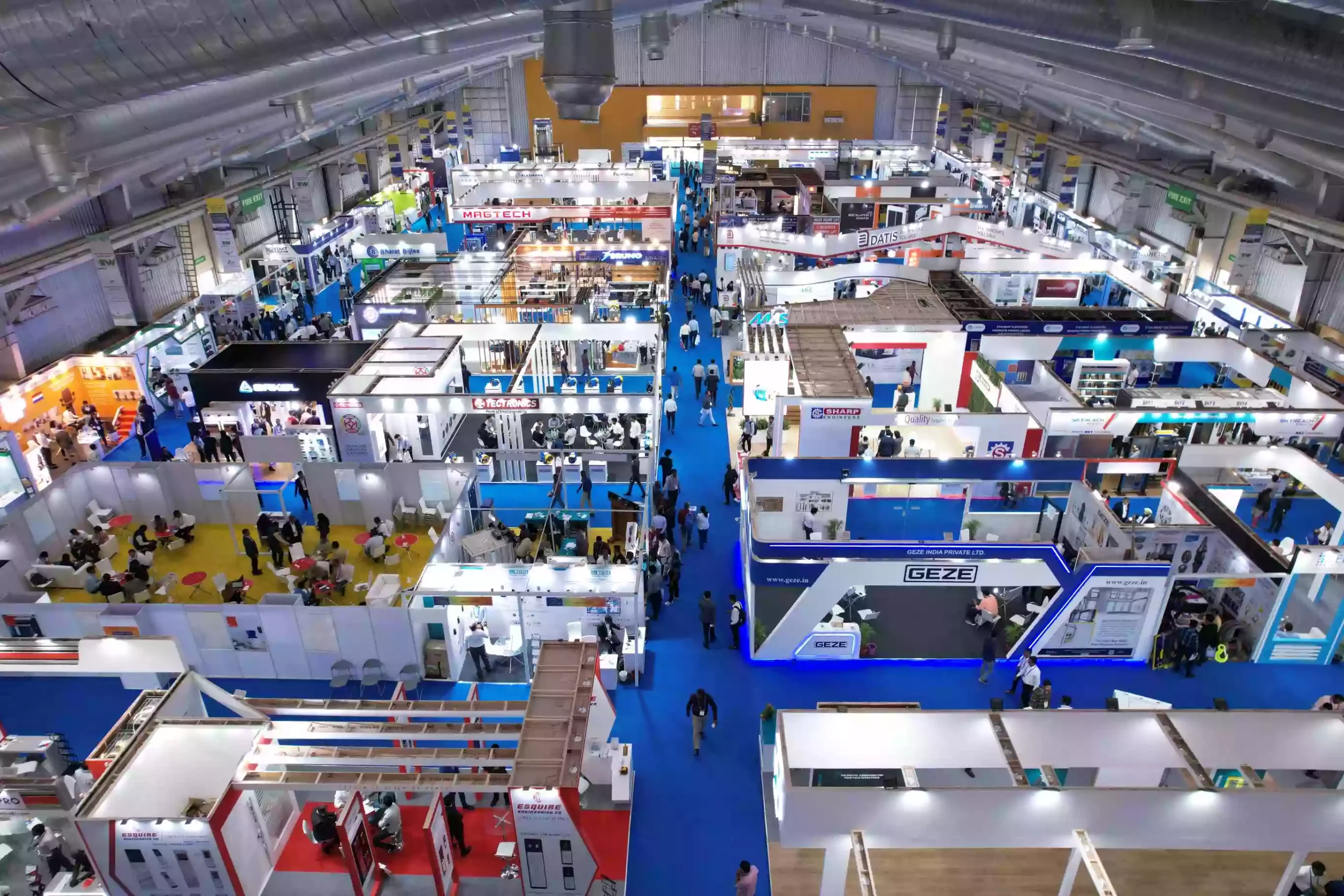
If there is an elevator trade show in your area, you can visit it too. You can meet suppliers face to face and get the information you need.
It is best to first find two to three possible suppliers. Then you can compare them and make your final choice.
Best Ways to Buy Elevators From China
The best way to buy elevators from China depends on what your project needs.
If your order is small, 1688.com and Made-in-China are both good choices.
If you have a big order, it is better to first ask other companies which Chinese elevator manufacturers they have worked with.
If you need custom elevators, you should work directly with an elevator factory. You can use Google to find the official websites of larger elevator manufacturers.
How do we buy products from Chinese elevator suppliers?
-
Find suppliers
You can use Google, Alibaba, Made-in-China, or go to trade shows to find many elevator suppliers.
From these suppliers, you need to choose the ones that best fit your needs. -
Talk with the suppliers
After you make a list of suppliers, you can contact them by email. If you like, you can also use WhatsApp. Most Chinese suppliers offer both ways to contact them.
When you talk with them, pay attention to how fast they reply and how professional they are.
The most important thing is: you must give clear and detailed elevator specs and requirements.
Ask them for quotations (prices) and compare the offers from different suppliers. Then choose the most suitable one.
(Be careful: do not only look at price. Elevator configuration is also very important. Make sure safety parts, control system, door operator, and traction machine are all standard and reliable.) -
Discuss the contract
Before you place the final order, the elevator supplier will discuss the contract with you. Together you will decide payment terms, delivery time, and quality guarantee.
You may also need to pay part of the money (a deposit) before the elevators are shipped.
Good written records are very important in case there are any problems or disputes in the future. -
Use safe payment methods
For international business, many suppliers prefer payment methods such as international bank transfer (T/T), letter of credit (L/C), Western Union, PayPal, or international credit/debit cards.
You can ask your elevator supplier which payment methods they accept. -
Arrange shipment from China
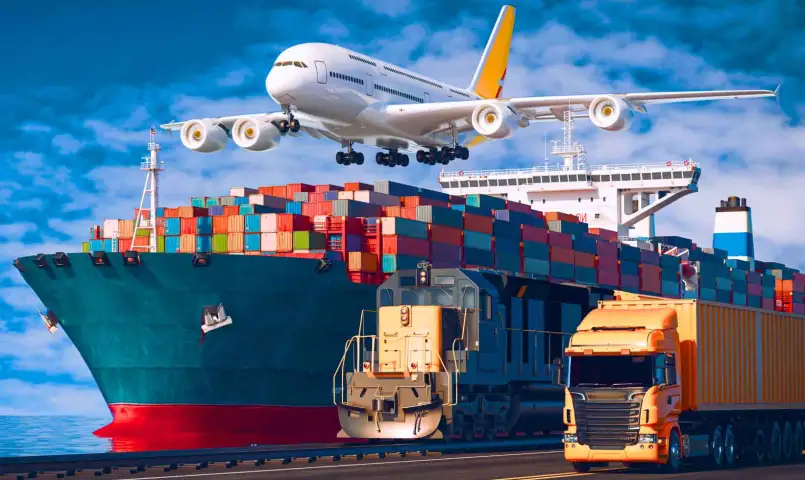
There are several ways to ship goods from China, such as air freight, sea freight, or using a freight forwarder.
Most elevators are shipped by sea. Sea freight is slower and can take up to about 40 days, but it is cheaper. Because of this, it is better to find your elevator supplier early in the project, so you have enough time.
Other transport options:
-
Air freight: The fastest, but more expensive. To ship by air, you also need an air waybill (AWB).
-
Freight forwarder: This can be an easier choice. They can use air, sea, or a mix of both, and they have many transport networks. Freight forwarders also help you handle all documents and customs clearance.
How to Negotiate Contracts and Payment Terms When Buying Elevators From China
-
Price negotiation – Buying in large quantities and building a long-term relationship can help you get better prices.
Suppliers usually give discounts for bigger orders. For example, the price per unit for 20 elevators is often lower than for 10 elevators.
But if you choose bulk purchase, you must make sure the supplier is reliable, or clearly write the quality guarantee terms in the contract. -
Payment terms – Try to discuss flexible payment terms with the elevator supplier.
For example, you pay 30% as a deposit, and then pay the remaining 70% after delivery.
Some suppliers already have fixed payment rules, but active negotiation can still help you keep more cash on hand. -
Make a clear contract – After you confirm all details, put all the conditions into the contract.
This helps protect your rights and makes sure the elevator quality meets the required standards.
Import Taxes When You Buy Elevators From China
In most countries, you may need to pay import duties (taxes on goods) when you buy elevators from China or from any other country.
Let’s take the United States as an example. In the U.S., Customs and Border Protection (CBP) is responsible for enforcing customs rules.
If the value of your shipment is less than 800 USD, you usually do not need to pay import duty.
If the value is more than 800 USD, the duty you pay will depend on the type of goods you are importing.
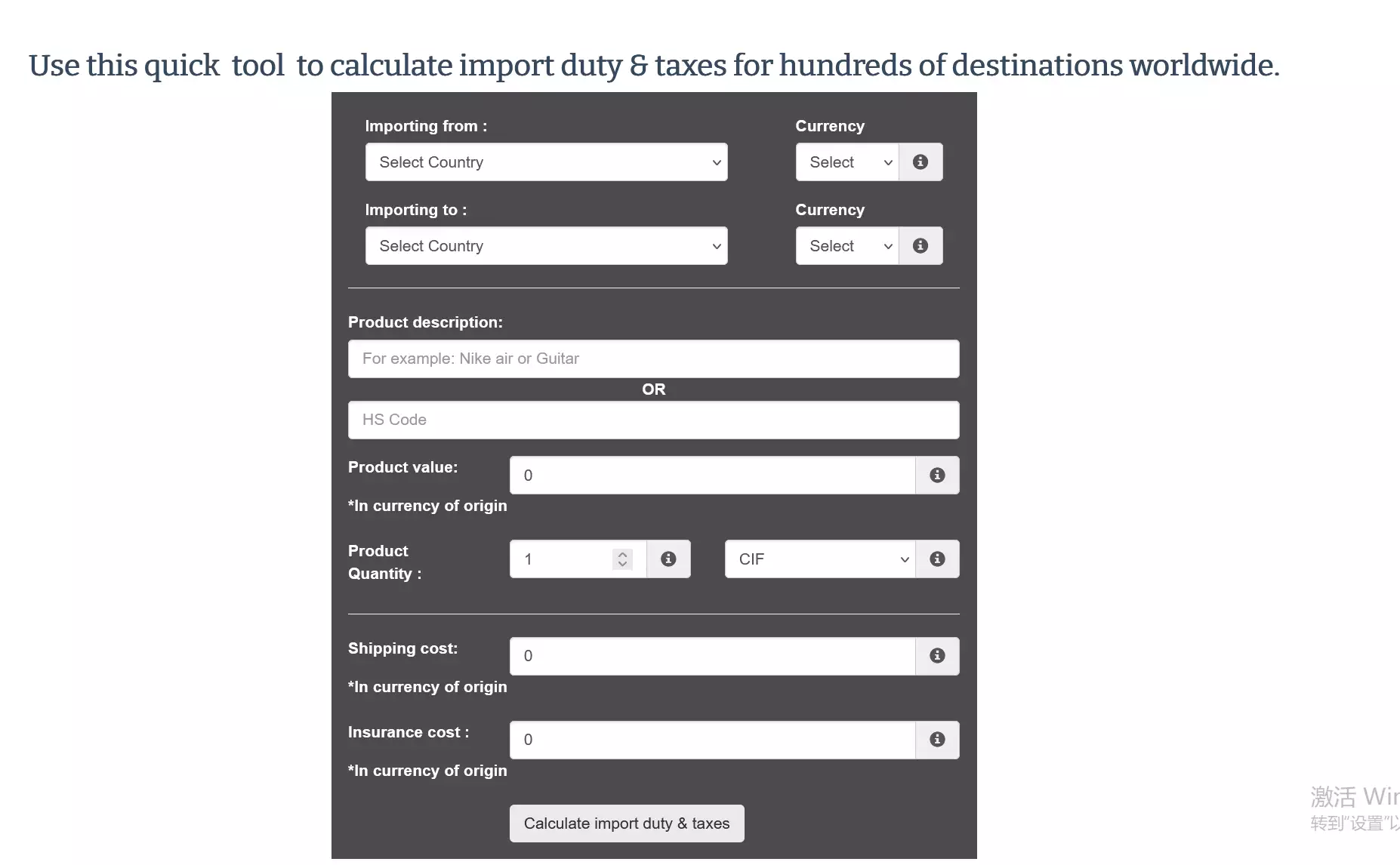
The U.S. uses an international system called the Harmonized Tariff Schedule (HTS code) to decide the exact duty rate. U.S. customs will use the HTS code and the value of your goods to calculate how much duty you need to pay for every shipment that arrives at the port.
Usually, before shipping, your supplier will send you a commercial invoice. This lets you or your customs broker prepare the customs declaration and pay the duties and taxes before the goods arrive at customs, which can help make the import process faster.
If you want a quick idea of how much duty you might need to pay, you can use an online calculator such as SimplyDuty – Import Duty Calculator.
Pros and Cons of Working with Chinese Elevator Suppliers
Buying elevators from China has many advantages, but it is not the best choice for everyone.
Here are some important things to think about when you buy elevators from China:
| Pros (Advantages) | Cons (Disadvantages) |
|---|---|
| • Use China’s lower labor and manufacturing costs to make your products. | • It can be hard to check product quality directly. |
| • Increase your profit margin. | • Product standards may be different. You must make sure the elevators meet your local standards. |
| • Work directly with elevator suppliers, so you can cut out middlemen and lower costs. | • Communication can be a problem. There may be delays, and language can be a barrier. |
| • Take advantage of many elevator suppliers and a wide choice of products. | • Shipping takes time. |
| • Work with experienced elevator suppliers to customize or improve your products. | • Delays in buying and shipping can make supply chain management more difficult. |
| • Once you build a good relationship, it is easier to grow your production and supply. |
FAQ
How long does shipping from China take?
The shipping time from China depends on the transport method you choose. Most elevators are shipped by sea, and sea freight may take about 40 days to arrive.
What information do I need to get a quote for an elevator from China?
To get a price, you usually need to tell the supplier about the type of building, the travel height, the number of floors, the load (in kilograms or number of persons), the door opening size, the speed of the elevator, and whether you need a machine room or not. The more details you give, the more accurate the quote will be.
Can elevators made in China meet our local safety standards?
Yes, many Chinese elevator factories can meet international standards such as EN and ISO, or other local codes. You should ask the supplier for their certificates and test reports, and check whether they already have projects in countries or regions similar to yours.